
Researches


EEG data analysis for seizure detection and forecasting
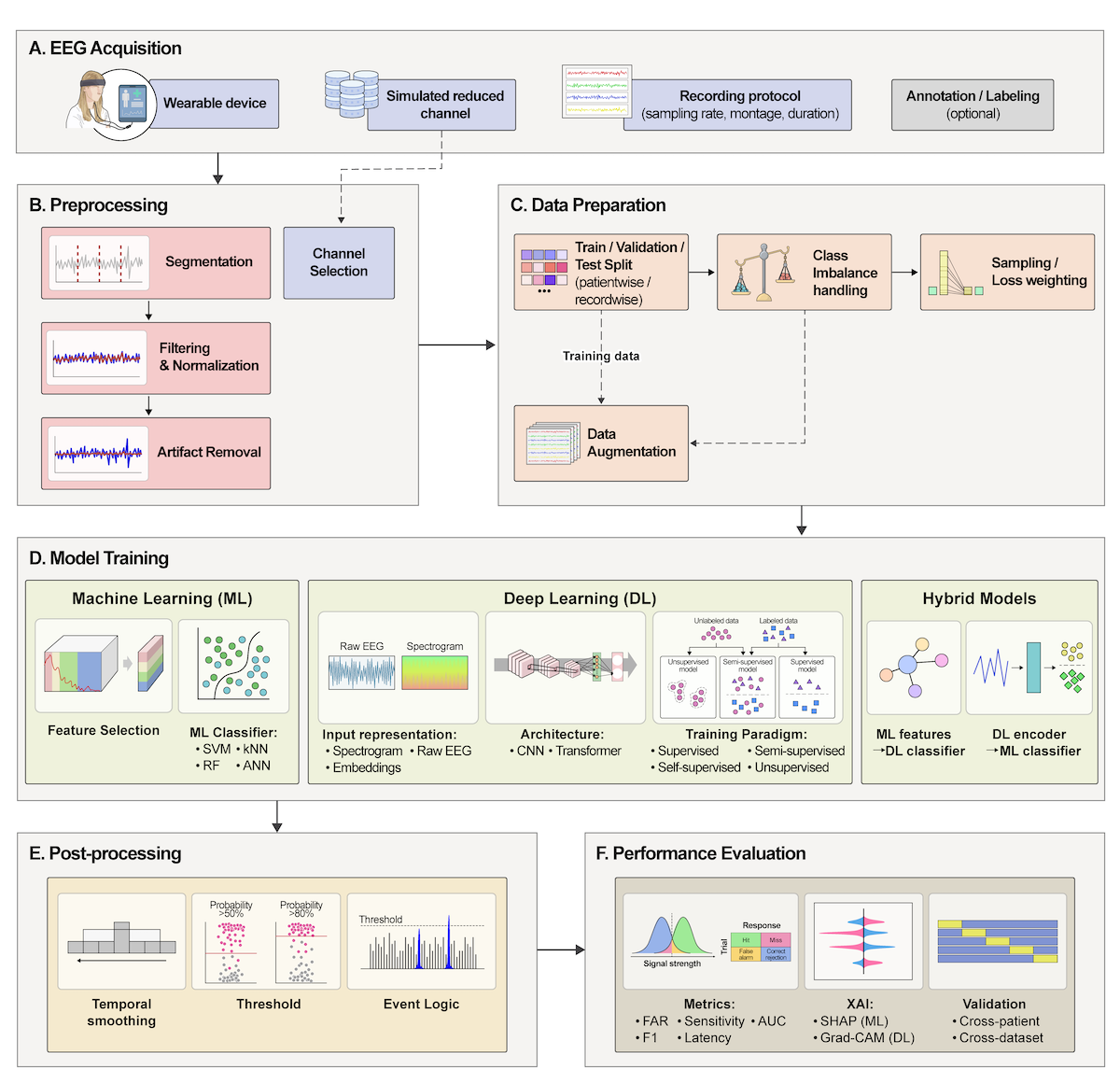
Our research in EEG data analysis focuses on developing advanced algorithms for seizure detection and seizure forecasting in pediatric neurological disorders. Building on extensive prior work in EEG signal processing and machine learning, we have contributed to the development of robust methods for extracting informative temporal, spectral, and network-level features from scalp EEG, as well as deep learning–based architectures that enable patient-specific and patient-independent seizure detection.
In addition to real-time seizure detection, our work emphasizes seizure forecasting by modeling pre-ictal brain dynamics and long-term EEG patterns. By leveraging longitudinal EEG datasets and integrating clinical context, we aim to predict seizure risk over clinically meaningful time horizons rather than detecting seizures retrospectively. These efforts support the ultimate goal of proactive, individualized seizure management, enabling earlier interventions and laying the groundwork for closed-loop and decision-support systems in pediatric epilepsy care.
AI-based approach for precision medicine in pediatric neurological disorders
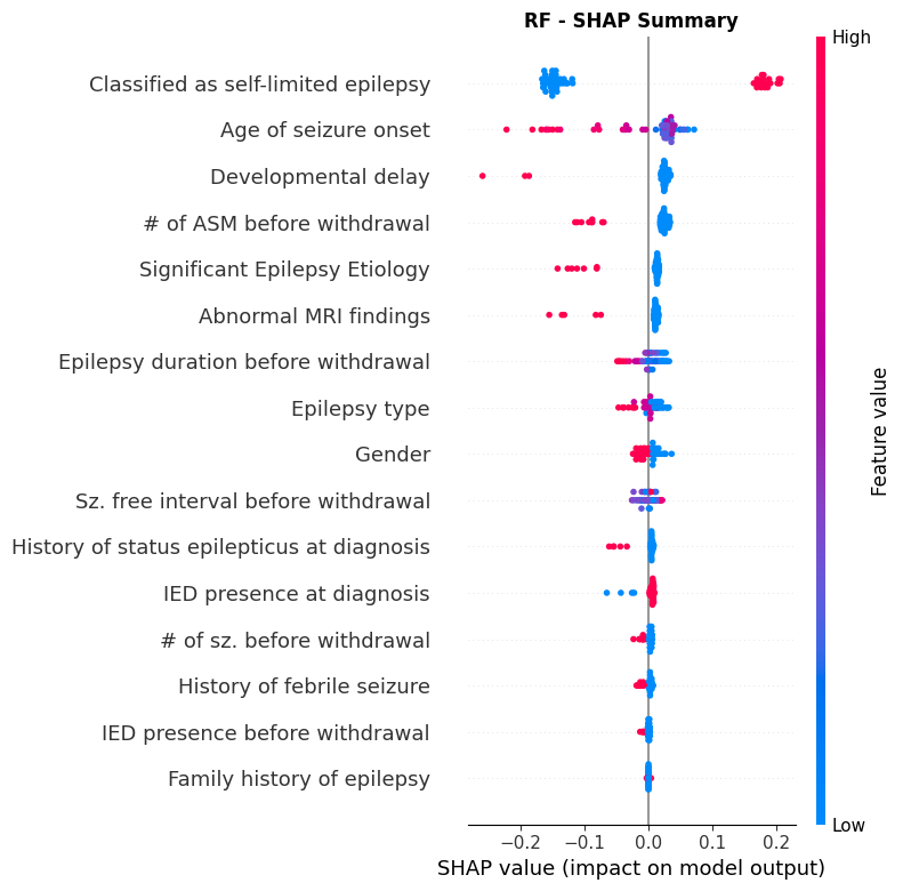
Our laboratory is also pursuing an AI-driven precision medicine framework for pediatric neurological disorders, with a primary focus on pediatric epilepsy. We are systematically building large-scale, structured clinical databases by integrating longitudinal electronic health records, standardized common data elements, EEG features, genetic information, and multimodal digital biomarkers using common data elements (CDE). This database serves as the foundation for developing and validating diverse prediction models that support individualized diagnosis, prognosis, and treatment decision-making in real-world clinical practice.
Using these data resources, we are developing multiple AI-based prediction models, including models for seizure outcome, neurodevelopmental trajectory, treatment response, and comorbidity risk. In particular, we are actively working on an antiseizure medication (ASM) tapering and withdrawal prediction model that estimates relapse risk and identifies optimal candidates and timing for medication reduction. Ultimately, our goal is to enable data-driven, patient-specific precision medicine strategies that improve long-term outcomes for children with neurological disorders.
Mobile and wearable devices in pediatric neurological disorders
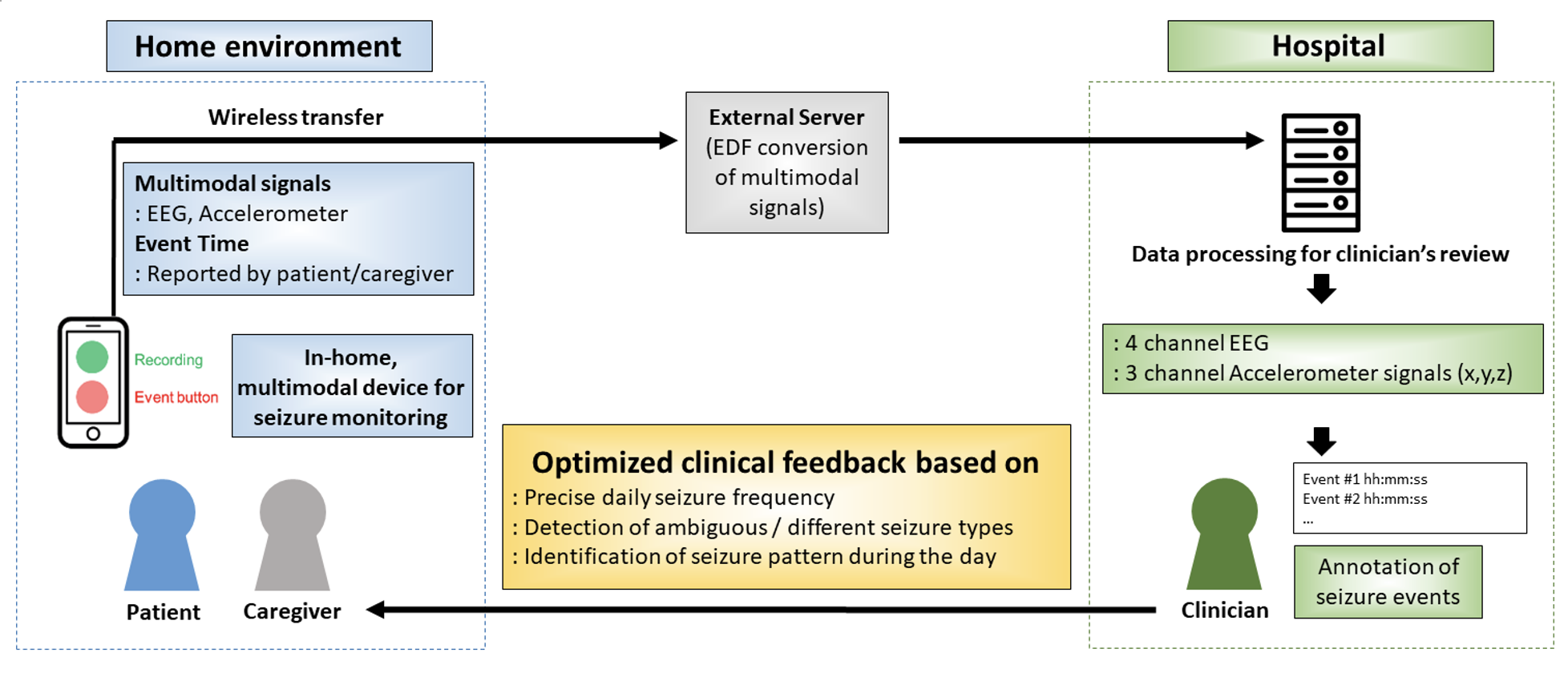
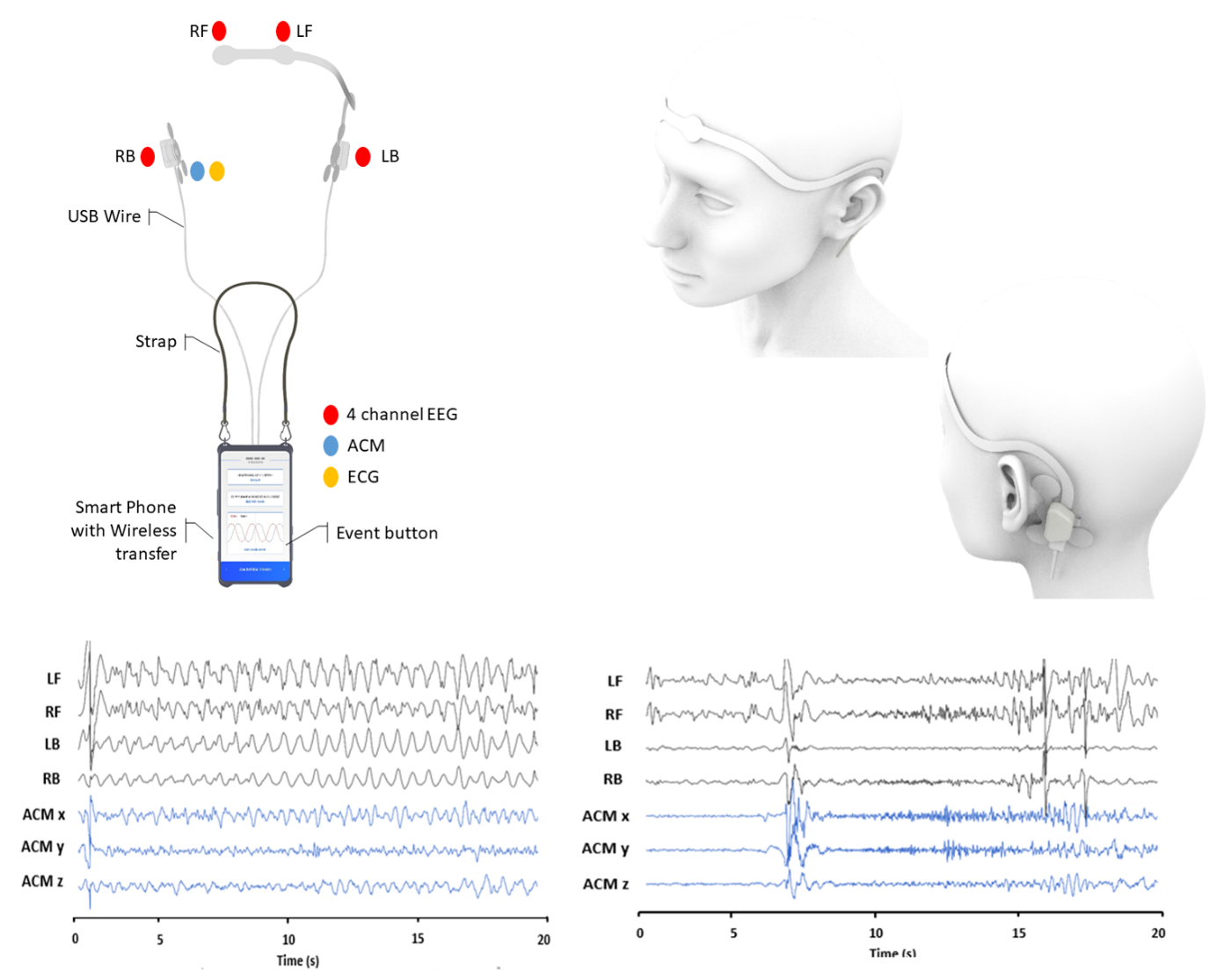
Our laboratory also focuses on the development and clinical application of mobile and wearable technologies for pediatric neurological disorders, with a particular emphasis on pediatric epilepsy and neurodevelopmental conditions. We are currently building real-world, longitudinal datasets by integrating wearable EEG, multimodal biosignals (including sleep, activity, and autonomic measures), and standardized clinical common data elements (CDEs). These data are used to develop and validate AI-based models for seizure detection, sleep and cognitive state assessment, and prognosis prediction in routine clinical settings.
Moving forward, we aim to expand this framework into an integrated digital health ecosystem that combines multimodal wearable sensors with mobile applications, enabling early seizure detection, prediction of treatment response and disease trajectories, and personalized, patient- and caregiver-centered behavioral coaching for precision management of pediatric neurological disorders.